
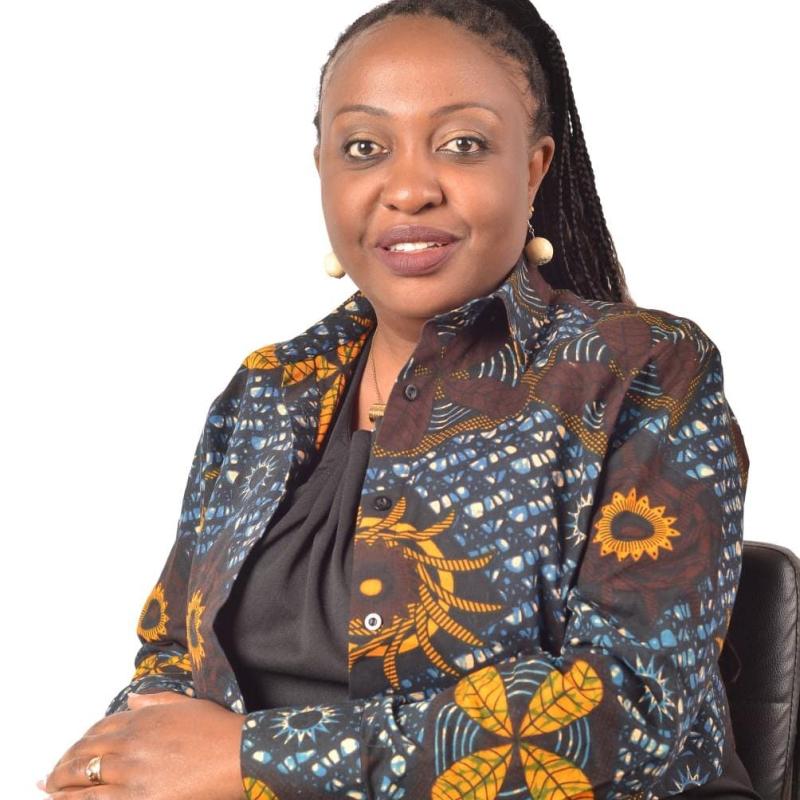
I am a conscientious, award winning monitoring and evaluation expert with over 10 years experience in international development, particularly in the public health domain. I have managed diverse projects and programs in Sub-Saharan Africa.Experience in working with diverse stakeholders. My fundamental proficiencies include project management, monitoring and evaluation, donor liaison and reporting, critical thinking, collaborative skills, innovative problem-solving skills, as well as strong relationship management and communication skills earned over vast years of experience in the public health space. I excel at coordinating multi-stakeholders and network building across diverse multi-country stakeholders. I am passionate about improving public health and general livelihood outcomes for the most vulnerable, and I am currently pursuing a PhD in Project Planning and Management with a research focus on current trends in Monitoring and evaluation practices, institutional systems-related factors and implementation of health projects in Africa. I get excited about opportunities to make a difference in Africa, especially in the face of the multitude of public health and developmental challenges which have been amplified by COVID-19 and other challenges facing humanity today. I also have a strong passion for working with the youth and training and mentoring.
Kenya
Julian Nyamupachitu
Regional Lead-MERL
Options
Posted on 29/10/2025
Thank you for this stimulating discussion, I have really appreciated the reflections shared so far, especially on how communication can transform evaluation from a compliance exercise into a process that fosters learning, ownership, and accountability.
From my experience working on multi-country health programmes, communication becomes most effective when local partners, youth, community leaders, and community health workers are actively involved in shaping and sharing the evidence. Youth, in particular, play a vital role in extending the reach and resonance of evaluation messages. As a youth mentor and champion in the public health space, I have witnessed first-hand the creativity, energy, and innovation that young people bring; qualities that can be powerfully leveraged to make findings more relatable and widely shared.
They bring context, authenticity, that make evaluation messages more inclusive and meaningful. For instance, involving youth advocates in co-developing briefs or facilitating dissemination events often changes how findings are interpreted and acted upon, therefore transforming evidence into dialogue that truly represents those most affected. Depending on the topic, engaging community and religious leaders alongside youth can further enhance reach, credibility, and ownership, helping turn evaluation into a collective process of reflection and action.
Since communities already gather for church services, sports events, school events and other social or cultural activities, these existing platforms offer a powerful and cost-effective way to share evaluation findings and stimulate dialogue. Leveraging such familiar spaces not only reduces the costs of organising separate dissemination events but also ensures that messages reach people in settings where they naturally engage, discuss, and reflect. Embedding communication within these community structures enhances trust, fosters inclusion, and helps translate evidence into collective action.