
I work at the intersection of evaluation, evidence, learning and strategic communication, helping organizations move from producing evidence to actually using it. Across more than 15 years in international development, my work has focused on a question that continues to shape how I approach evaluation: How do we make evidence useful enough to influence decisions, strengthen institutions and ultimately improve people's lives?
Today, I serve as an Evaluation Officer in the Office of Independent Evaluation at the Caribbean Development Bank, contributing to independent evaluations and to broader efforts to strengthen evaluation culture, practice, evidence use and learning across the Caribbean. My experience spans evaluation management, monitoring and results-based management, research and evidence synthesis, qualitative methods, knowledge management, strategic communication, stakeholder engagement and national evaluation capacity development.
I have worked across multi-country Caribbean contexts and with governments, development partners, researchers, civil society and other stakeholders to translate complex evidence into insights that people can understand, discuss and act upon. Increasingly, my work is also centred on building evaluation ecosystems: creating spaces where evaluators, institutions, young and emerging professionals, policymakers and development partners can learn from one another and strengthen the systems that support evidence-informed decision-making.
Before joining CDB, I spent more than eight years with UNICEF, supporting planning, monitoring, evaluation, research, knowledge management and evidence-informed programming across complex multi-country development and humanitarian contexts. My earlier career also spans regional development programming, communications, research and academia.
One of my distinctive strengths is the ability to connect the technical and the human. I enjoy bringing people into the conversation, finding the story within the evidence and translating that evidence into something decision-makers can use. I am particularly interested in the future of evaluation in SIDS; evaluation capacity and leadership; evidence use; and the relationship between evaluation, communication and organizational learning.
At the centre of my leadership philosophy is a commitment to service, integrity, continuous learning and purpose. I welcome connections with evaluators, development practitioners, researchers and institutions interested in strengthening evidence use and evaluation capacity across the Caribbean and globally.
Barbados
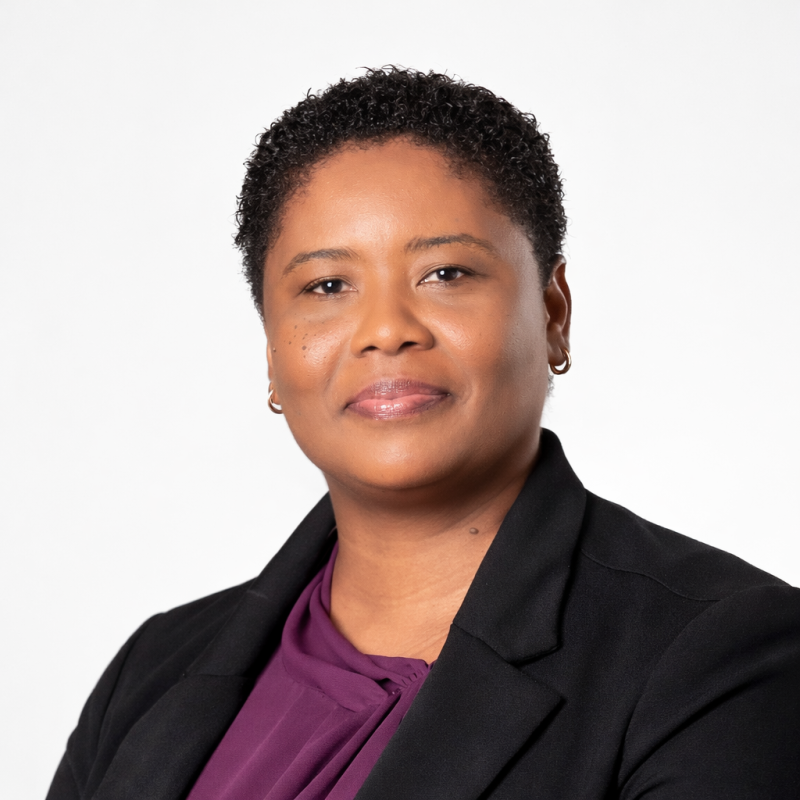
Stephanie Bishop
Evaluation Officer
Caribbean Development Bank
Posted on 04/11/2026
Kudos to the EvalForEarth team for giving us this space to connect, share and learn from one another!
For me, what needs to change is how we decide what to evaluate, how we plan for disruption and who has the final say on the findings. In Caribbean small island developing states (SIDS), scenario planning and a portfolio approach can help us make scarce evaluation funds go further while protecting the credibility, independence and usefulness of our work.
Hurricane Beryl offers an example of the impact on the fishing industry. In Barbados, fishing boats were badly damaged. On Union Island in Saint Vincent and the Grenadines, disruptions to water and electricity meant fish could no longer be cleaned or stored. An evaluation of boat repairs could accurately count how many vessels returned to sea and still miss the question that matters to fishing families: Could they get their catch to market and earn a living again?
Three changes I’d like to see in practice:
With limited resources, I’d rather we answer a few questions well, protect evaluators’ freedom to report what they find and make sure the evidence reaches the people who can use it.