
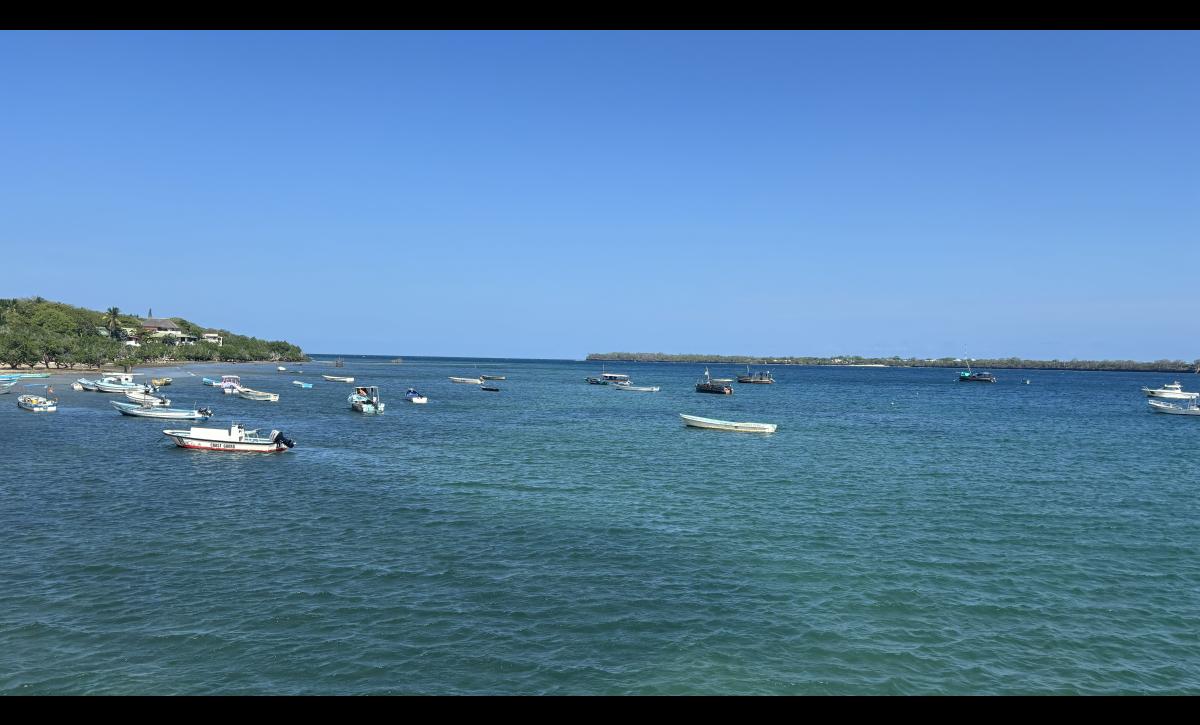
Imagine a clean river flowing across several countries. Local communities rely on it for fishing, agriculture, and dairy farming, collect its water for household use and enjoy the beauty of its natural landscape. For many years, this river has served as an ideal ecosystem in which people, animals, and plants coexisted and thrived. One day, however, communities in the upstream country began dumping trash, plastic debris, and chemical pollutants into the river. Even though communities in the downstream countries continue to care for the river, they soon observe environmental degradation and experience negative health effects. This narrative illustrates a reality on the ground: water bodies often cannot be managed by one country alone.
Marine and freshwater pollution in transboundary water bodies is one of the most pressing environmental challenges of our time. Every day, plastic waste equivalent to more than 2,000 garbage trucks is released into rivers, lakes, and oceans. With around 60 percent of the world’s freshwater flowing through transboundary waters, pollution rarely stops at national borders, impacting ecosystems and communities far beyond its point of origin. This reality highlights the critical importance of transboundary water management based on international cooperation. Yet, such cooperation cannot be achieved overnight. It requires persistent, long-term efforts to build trust, continue dialogue, establish a shared evidence base, and foster the collective will to tackle the problem together.
For more than three decades, the Global Environment Facility (GEF) has been the financing mechanism for multiple international conventions covering climate change, biodiversity loss, land degradation, chemicals and waste, and transboundary water management. Historically, the GEF has contributed to addressing environmental threats and governance gaps in transboundary rivers, lakes, aquifers, large marine ecosystems, and oceans by using unique tools, such as the Transboundary Diagnostic Analysis (TDA) and the Strategic Action Program (SAP). The TDA-SAP approach has allowed countries to jointly identify environmental threats in the shared bodies of water, develop mutually agreed action plans, and solve key issues in close collaboration.
Drawing on evidence from the recent international waters (IW) focal area evaluation conducted by the GEF’s Independent Evaluation Office, this blog post highlights how long-term efforts in fostering international cooperation play a vital role in promoting transboundary water management and scaling up environmental interventions.
Long-Term Engagements as the Foundation for Catalytic Effects
A project launched in 1993 to reduce marine pollution in the East Asian seas marked the beginning of the GEF’s long-term support for transboundary cooperation in the region. Recognizing that coastal areas face multiple pressures, such as pollution, fisheries and tourism development, ecosystem degradation, and climate change, the project introduced Integrated Coastal Management (ICM) as a new approach. ICM was designed to balance environmental, economic, and social objectives through multi-sectoral coordination and action.
Building on this foundation, subsequent GEF-supported initiatives helped establish an intergovernmental and multi-stakeholder mechanism for transboundary water governance, known as the Partnerships in Environmental Management for the Seas of East Asia (PEMSEA). In 2009, PEMSEA became a legal international entity promoting regional cooperation and advancing ICM and environmental initiatives through various platforms, such as the PEMSEA Network of Learning Centers and the Youth Program.
Over the past 25 years, ICM has been scaled up substantially. What began with just two pilot sites in 1994 expanded to 114 sites by 2020. During the same period, the length of coastline under ICM increased from 286 kilometers to more than 86,000 kilometers. In 2014, a regional knowledge bank was established to capture lessons learned and disseminate good practices to a broader audience.
These achievements demonstrate how long-term engagement enables countries to develop shared governance systems and scale up environmental interventions around a common vision. The successful cooperation achieved through PEMSEA and the adoption of ICM across the region would not have been possible through a single project.
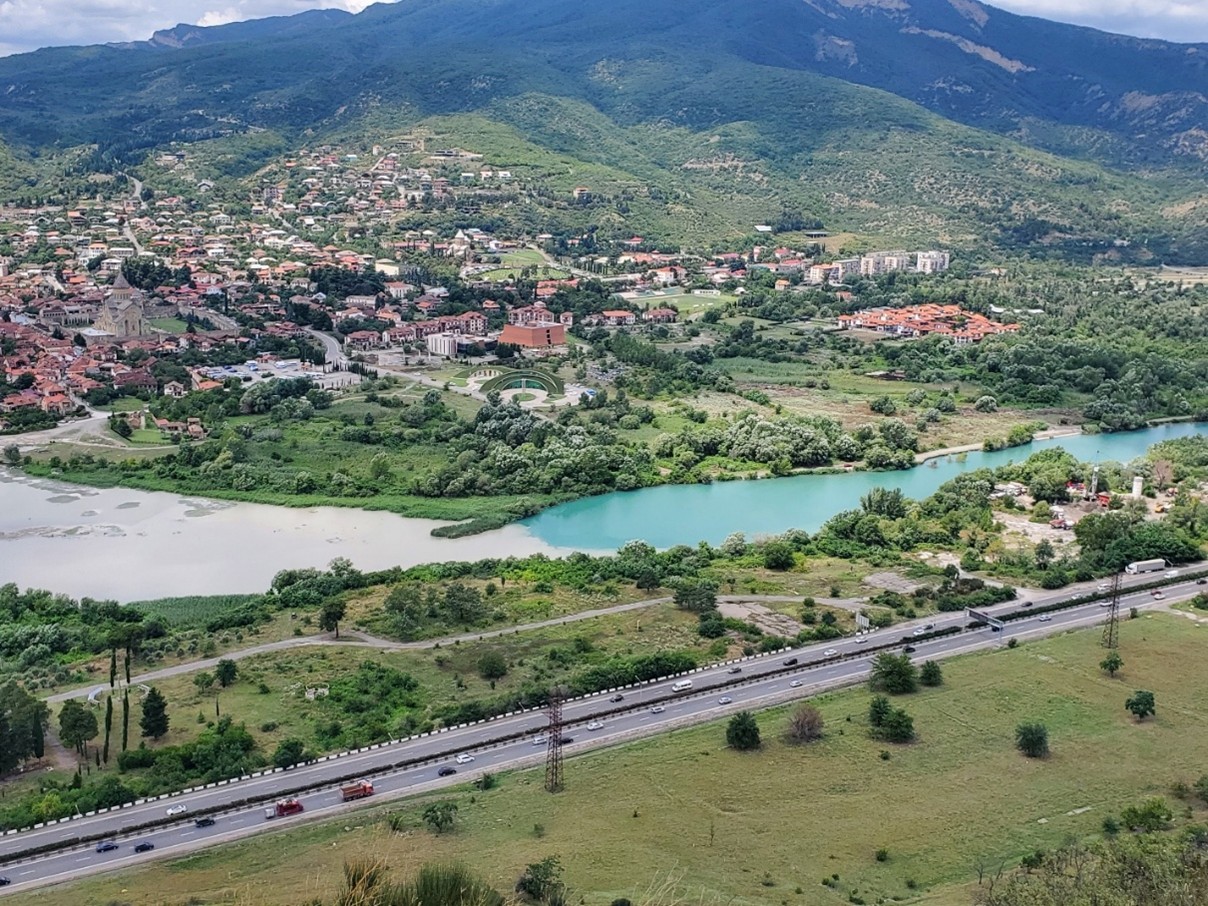 Figure 1. The Kura River basin in Georgia where brown and blue water meet. © Jeneen Garcia.
Trust as a Key Element of International Cooperation
A key reason long-term engagement is crucial for international cooperation is that it helps build trust among participating countries and stakeholders. Trust-building is often a complex process in transboundary settings where countries may have different priorities, capacities, and political contexts.
Stakeholder interviews conducted for the IW evaluation further highlighted the role of regional agreements in fostering a sense of psychological safety for data sharing among countries. For government officials, sharing national data is not merely a technical exercise. It can raise concerns related not only to transboundary water management but also to national security. The gravity of this issue was evident when one interviewee remarked, “[Because there is a regional agreement,] I am protected.” When country representatives are able to overcome internal concerns about data breaches or perceived losses of national advantage, joint efforts to build a shared evidence base become even more meaningful.. In an era of abundant data, this dimension of perceived safety and trust for data sharing is a critical but often unrecognized factor in effective transboundary water management.
Building trust, conducting joint assessments to establish a shared evidence base, developing and implementing strategic actions, strengthening regional governance, and sharing knowledge for replication and scale-up all require time and sustained engagement. A single project lasting only a few years is rarely sufficient to manage transboundary water bodies through international cooperation. While environmental and development communities face ongoing pressure to demonstrate immediate results, some outcomes can only materialize once the foundations of international cooperation are firmly in place. The experience of GEF’s IW focal area offers valuable lessons for professionals working in environment, agriculture, food security, rural development, and public health, where challenges frequently transcend national borders. The IW evaluation shows that persistent efforts with a long-term vision can generate wide-ranging benefits and catalytic effects that go well beyond short-term gains.
Disclaimer: The content of this blog post presents the views of the author and does not necessarily reflect the official position of the GEF IEO.